Not every dog thrives at every park. A shy rescue, a high-energy young lab, and a senior with arthritis all need very different environments. Here's how to match your dog to the right Arizona park — and how to spot the wrong-park-for-this-dog situation before it becomes a problem.
Start with an honest dog audit
Before picking a park, spend a week paying attention to five things about your dog:
- Energy level: Nap-most-of-the-day, needs one long walk, or bouncing off the walls?
- Social comfort: Loves every dog they meet, selective friend group, or actively avoids strangers?
- Play style: Chase games, wrestling, fetch, sniff-and-explore, or parallel play?
- Recall: Comes when called, comes eventually, or comes only when they feel like it?
- Sensitivity: Startles at loud noises, gets overwhelmed in crowds, or unfazed by chaos?
Those five answers tell you which of the categories below fits your dog today.
The shy or reactive dog
If your dog freezes, tucks tail, or growls at other dogs, the standard dog park is not the right place — and forcing socialization there usually makes reactivity worse, not better. Look for:
- Small-dog areas used off-hours. A separately fenced small-dog section can be an empty practice space in early morning. Try Arizona parks with separate small-dog areas.
- Private/members-only parks that self-select for calmer dogs and lower headcounts — Sun City West's Duffeeland and R.H. Johnson are examples.
- Trails and one-on-one dates before park visits. A 20-minute parallel walk with a known-friendly dog is worth ten failed dog park attempts.
The high-energy young dog
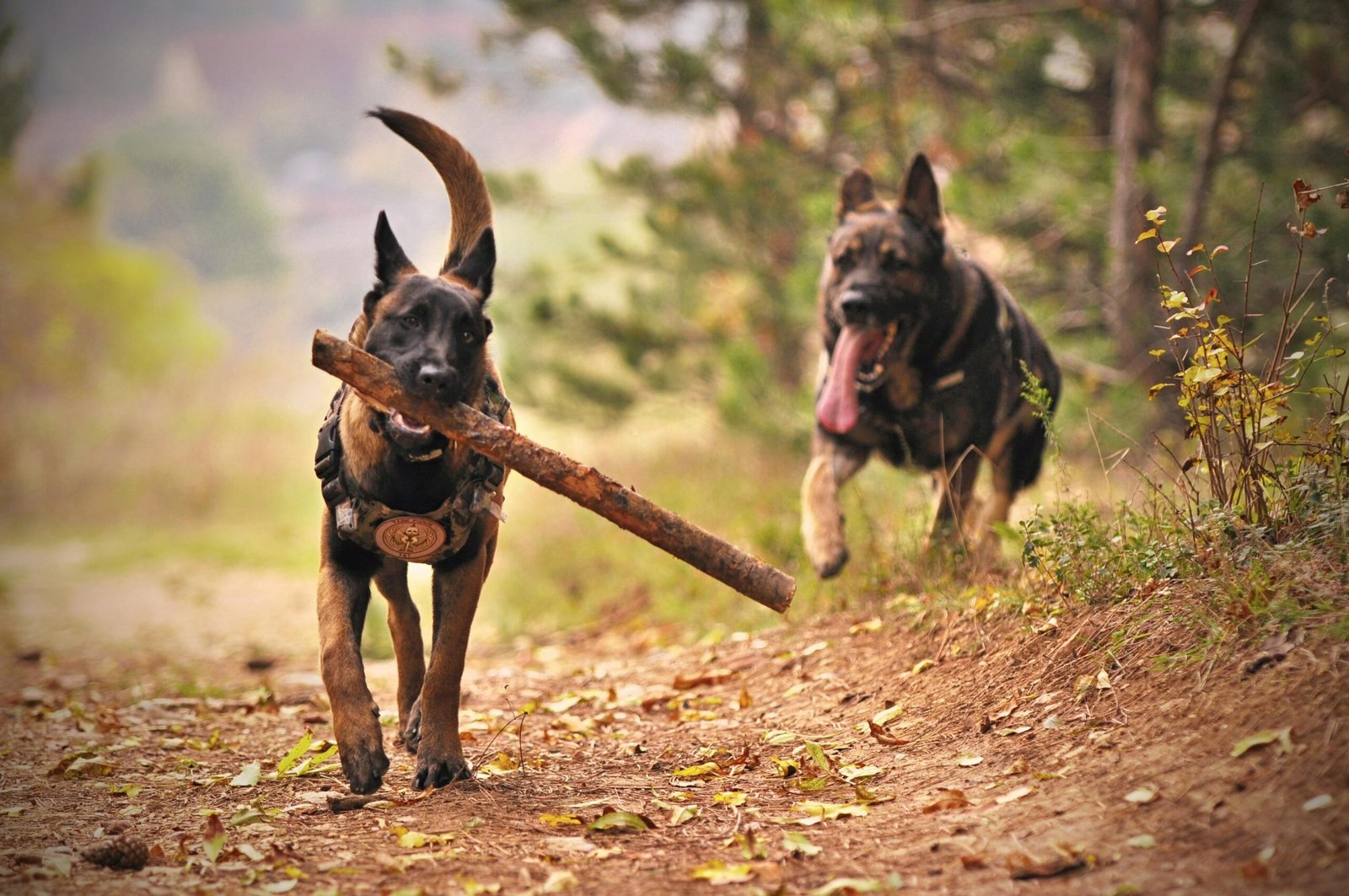
Under three years old, working or sporting breed, needs to burn 60+ minutes of hard running per day? Priority is space and terrain variety:
- Large multi-acre parks like Cosmo (17 acres, four zones, swimming lake) or Pioneer Community (rotating play zones).
- Parks with swimming or agility — see our swimming list and agility equipment list.
- Timing matters: take a high-energy dog for a 20-minute run before the park visit, not after. Otherwise they arrive already amped and pick fights.
The small dog
Small doesn't equal fragile, but size mismatches at dog parks cause more injuries than any other single factor. Predatory drift — when a large dog's prey drive triggers on a running small dog — is real and dangerous. Always use a small-dog section if one exists. See our list of Arizona parks with separate small-dog areas.
The senior dog
Older dogs often still love the social side of the park but can't keep up physically. Match them to:
- Shaded parks with seating — see the shaded list. Steele Indian School and Cosmo are both senior-friendly for grass and shade.
- Off-hours visits when the crowd is thinner and calmer.
- Wheelchair-accessible parks if mobility matters for you too — see the accessible list.
- Consider skipping the dog park entirely on 100°F+ days and doing a slow leash walk on shaded pavement instead.
The puppy under six months
Full disclosure: most trainers and vets recommend against traditional dog parks for puppies. Risks include: disease exposure before the full parvo/distemper vaccine series, a bad first experience that shapes lifelong fear, and injury from adult dogs with poor bite inhibition.
Better options for a puppy under six months:
- Structured puppy classes with a certified trainer.
- Playdates with vetted, vaccinated adult dogs known to be gentle.
- Once vaccinations are complete: short off-peak visits to small-dog areas with an easy exit route.
The rescue dog in their first month
New rescues are stressed, unpredictable, and don't know your voice yet. The 3-3-3 rule — three days to decompress, three weeks to settle, three months to feel at home — applies to dog parks too. Wait at least a month before any park visits, and start with off-hours empty parks so they can explore alone.
Signs the park you picked is wrong — leave immediately
Even if you did the audit and picked well, sometimes the park itself is wrong that day. Bail out if you see:
- Multiple dogs ganging up on any one dog (a pile-up is one bite away from serious injury).
- Owners on their phones, not watching their dogs.
- A single dog escalating repeatedly — growls turning into snaps.
- Your own dog signaling stress: lip licks, whale-eye, tail tucked, hiding behind you, shaking.
You don't need to explain or apologize. Clip the leash and go. The park will be there tomorrow.
Bottom line
The best dog park in Arizona is the one that matches your specific dog on a specific day. A 17-acre park with a swimming lake is perfect for a young lab and completely wrong for a nervous seven-year-old rescue. Use the by-feature filters to narrow the field before you drive out.